The Bat Sonar Project: Hearing What We Cannot
The Bat Sonar Project: Hearing What We Cannot
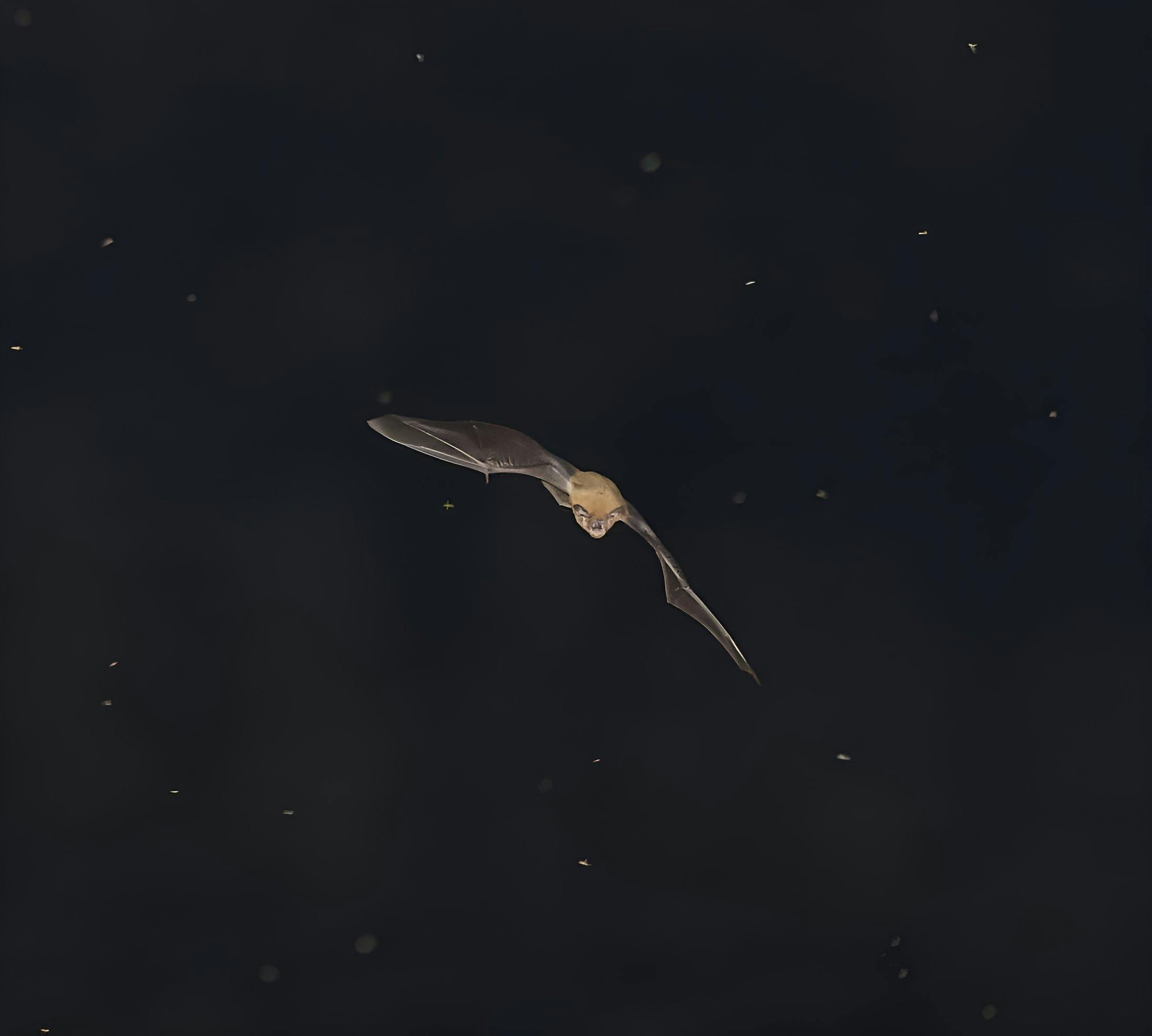
Bat foraging over water in Da Nang, Vietnam (Photo by Ian Gabaraev @ Pexels)
I've always had a complicated relationship with sound. As a light sleeper, I sometimes wished I had a knob to narrow my frequency range — blocking out loud music, car horns, fireworks, and all the nighttime noise that intrudes past bedtime.
Yet, at the same time, scuba diving and astrophotography introduced me to the beauty of unraveling the hidden, the invisible, the inaudible. When I got my hands on hardware that could record signals beyond our — let's face it, quite modest — human hearing range, I was hooked.
It didn't take long for another project to emerge. This one was truly challenging, sitting at the intersection of math, physics, programming, and machine learning.
The Bat Sonar.
Why Bats?
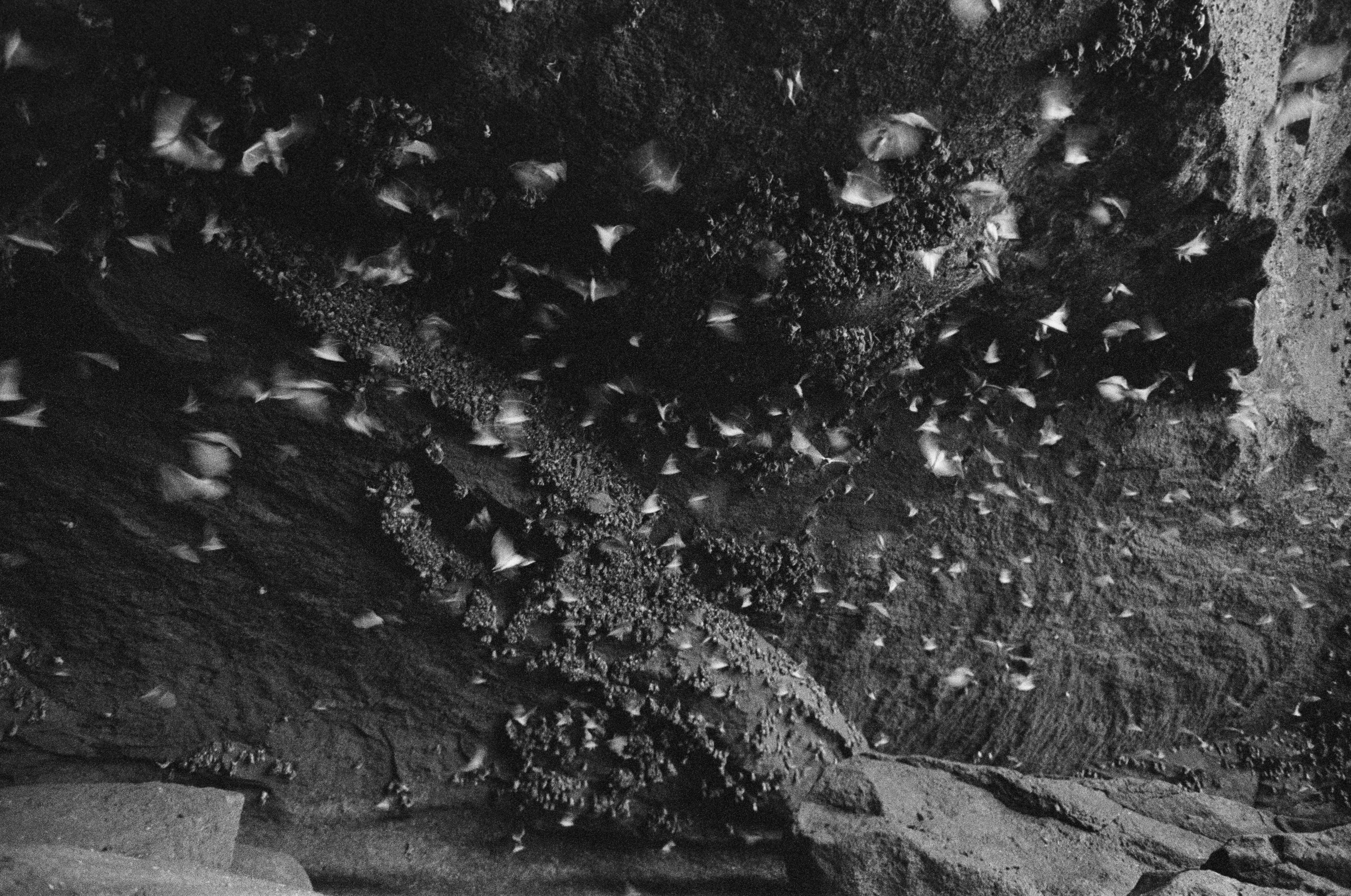
Bats in a cave (Photo by Vladimir Konoplev @ Pexels)
Bats are fascinating creatures. Despite being so different from cetaceans like orcas, dolphins, and whales in every conceivable way, these two groups share one extraordinary skill at the very core of their survival: echolocation.
The evolutionary paths that led bats and cetaceans to develop this sophisticated ability are beyond the scope of my project. However, one factor stands out — both hunt in darkness.
Bats typically emerge at twilight and feed throughout the night. Whales like the mighty sperm whale dive over a thousand meters into the ocean's depths in search of their ultimate prey: the giant squid.
The Darkness Problem
As a scuba diver, I know firsthand that light barely penetrates water. At about 50 meters, it's already dim. Past 300 meters, it's universally considered a no-light zone.
Sperm whales hunt far beyond that, in complete darkness, relying on echolocation to navigate and capture their prey.
Why Not Whales?
The answer lies in accessibility and the ability to collect and analyze my own data.
Capturing whale songs is a monumental task, requiring specialized equipment, vessels, and large-scale operations. With bats, all I need is:
Fortunately, caves are abundant in Southeast Asia, and ultrasonic microphones are relatively affordable — costing only a few hundred dollars.
What's Coming
This will be a series of posts. I'll be describing the development of the project in detail, including:
Gathering bat noise is definitely one of the best parts of this.
Next up: Field Recording in Vietnamese Caves — where I take the mic into the Marble Mountains.
Read the full series: Why Bats? · Building a Real-Time Detector