The Himalayas Called — And I Answered with a Laptop
The Himalayas Called — And I Answered with a Laptop
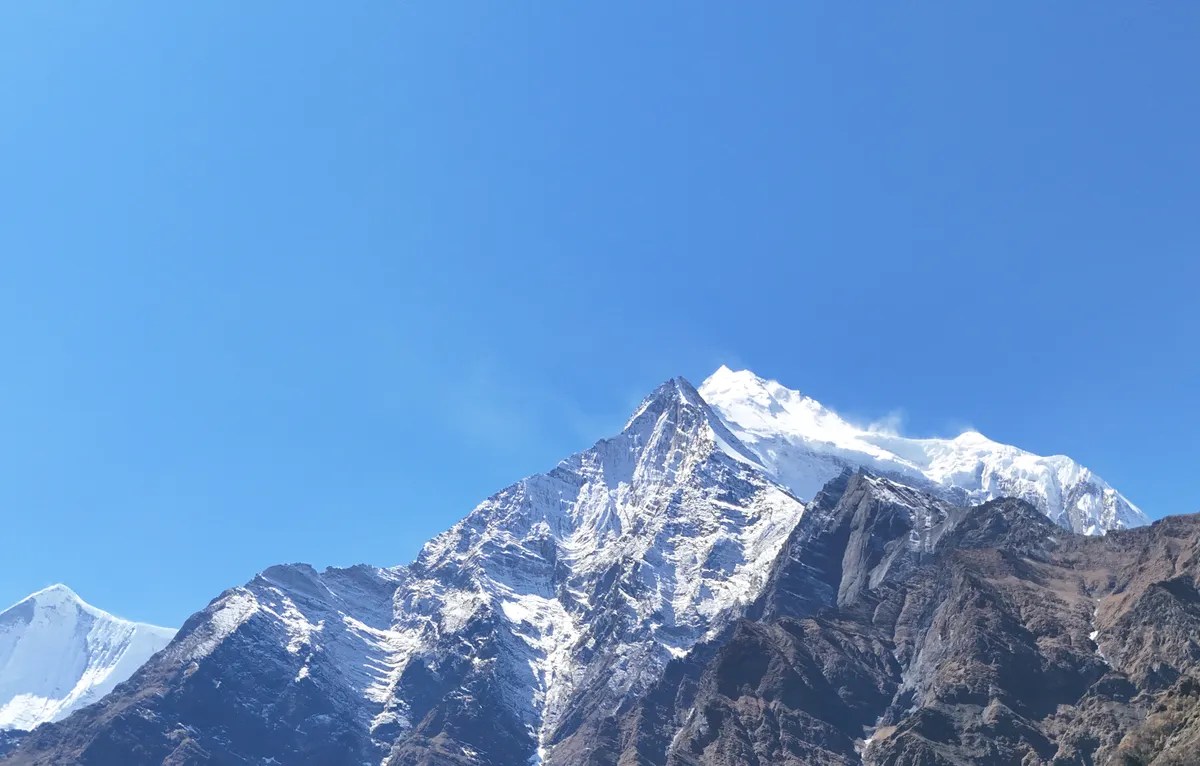
Aerial view of Annapurna II peak, Nepal. Want to be on the top of your game - at the top of the world?
Digital nomads tend to follow the same overused, over-Instagrammed map as millions of others: Bali, Lisbon, Chiang Mai, maybe Medellín if they are feeling adventurous. Some might go to the Middle East, only to decide the culture is "too hard" to adapt to.
That is only natural. Most decisions we make as remote workers are second-hand. When you work remotely from abroad, keep fixed hours, and live by deadlines, you want to land and get straight to work. You cannot fully mix adventure and remote work on a whim. And if you think you can, you either have too much free time on your hands or you need to revisit your definition of adventure.
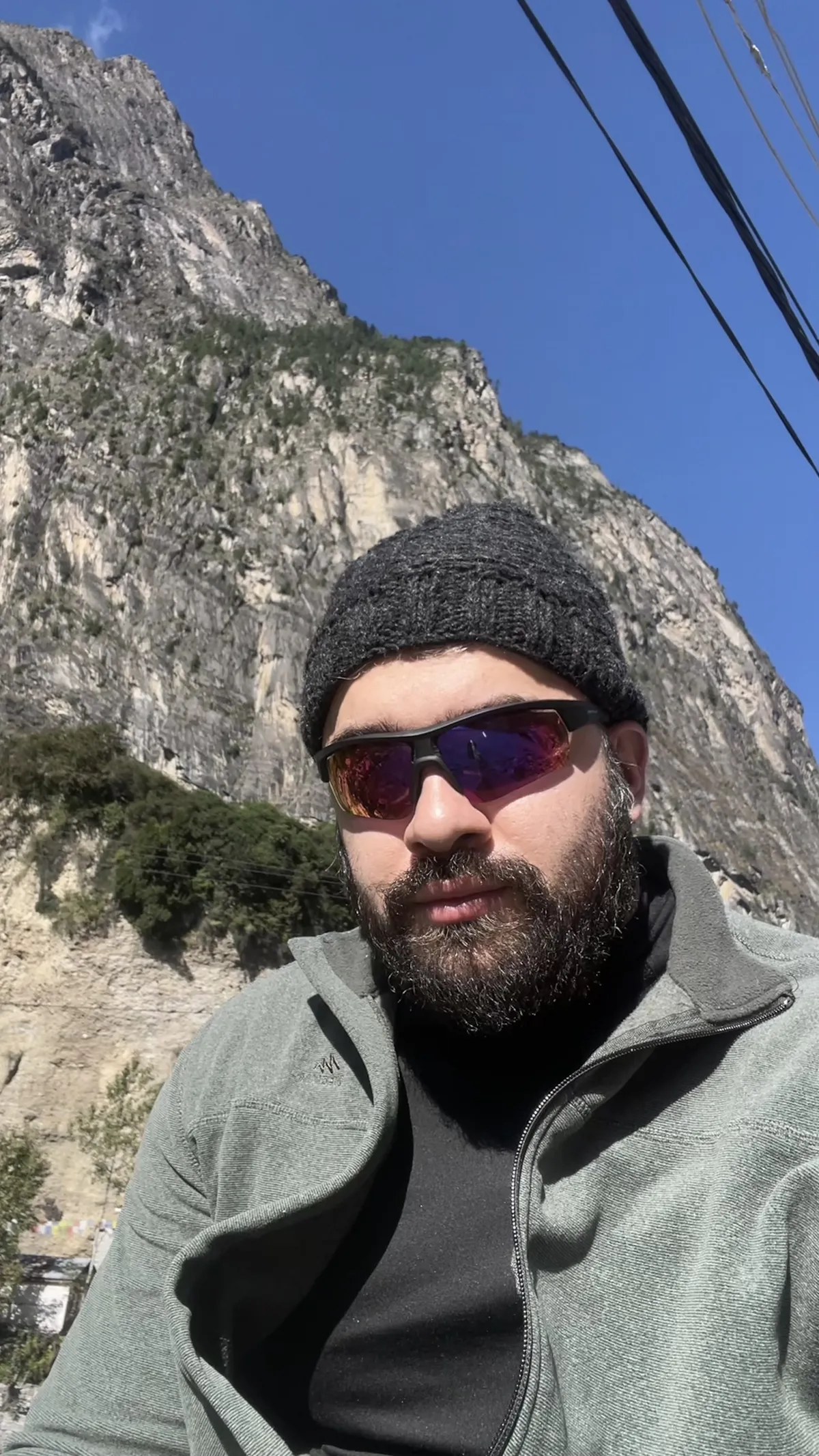
Warming up in the harsh high altitude sun. I grew out a massive beard by the end of the trek
One of the foundational ideas behind Nomad Atlas is helping you make safe, calculated travel decisions for yourself. The app does not simply look at what other digital nomads are doing. It looks at how you have lived your nomad life and how you felt along the way. So if you visited Rwanda and felt good there, do not be surprised if one day Nomad Atlas sends you a notification: "Hey, your stay in Phuket is coming to an end. How about flying to Rwanda?"
Africa, in particular, is a special place for digital nomads. It deserves more thought before you pull the trigger. And do not get me wrong: if you approach it responsibly, it could easily become your home base.
Today, though, I want to talk about another place. A place many people visit, but almost no one seriously considers as a digital nomad hub — or a viable remote work destination. Nepal does not appear on any "best countries for digital nomads" list. It has no digital nomad visa. It has no coworking spaces outside Kathmandu and Pokhara. And yet — it may frighten you or make you fall in love, but it will not leave you indifferent.
Buying Columbia Gear in Kuala Lumpur
In October 2024, my girlfriend and I went to a mall in Kuala Lumpur looking for Columbia gear. We found the store on the first floor and left an hour later with large shopping bags. We each bought a new pair of hiking boots and a puffer jacket. The rest of the gear, we decided, could wait until arrival.
November came fast. There were reports of devastating floods in our destination, and we hesitated. Neither of us had ever been there before. But the flights were already booked, so after a sleepless night, we drove to KLIA, passport in hand and walkie-talkie on the belt.
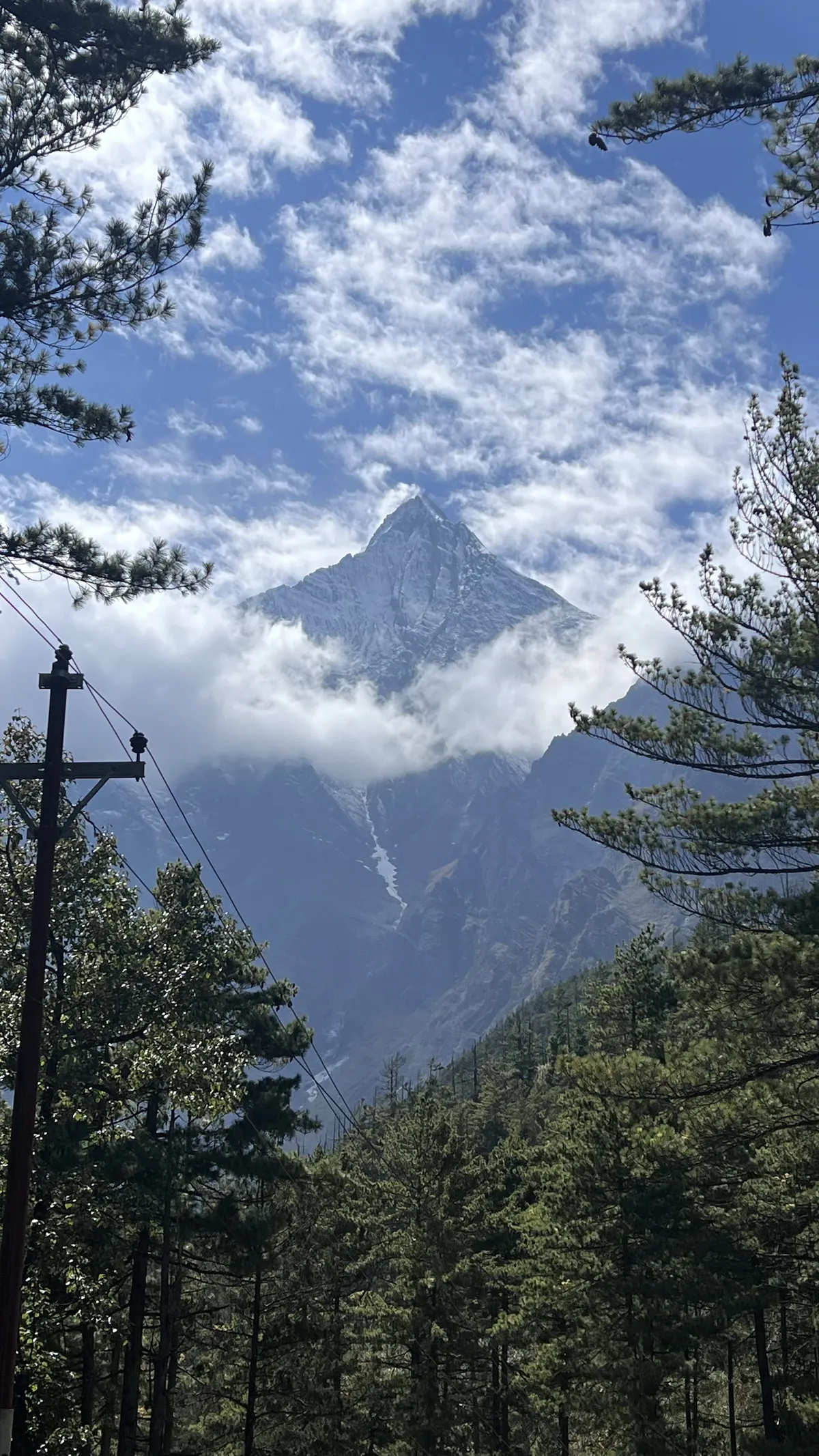
A view of Manaslu on the way back
We landed in Kathmandu on a perfect, clear, sunny day. The next morning, we took a grueling 12-hour drive to Besisahar, followed by another two-hour bumpy ride to the nearest village on the Annapurna Circuit route.
Over the course of 25 days, I did not see a single digital nomad there.
I did, however, see potential.
Why Nepal Works for Remote Work
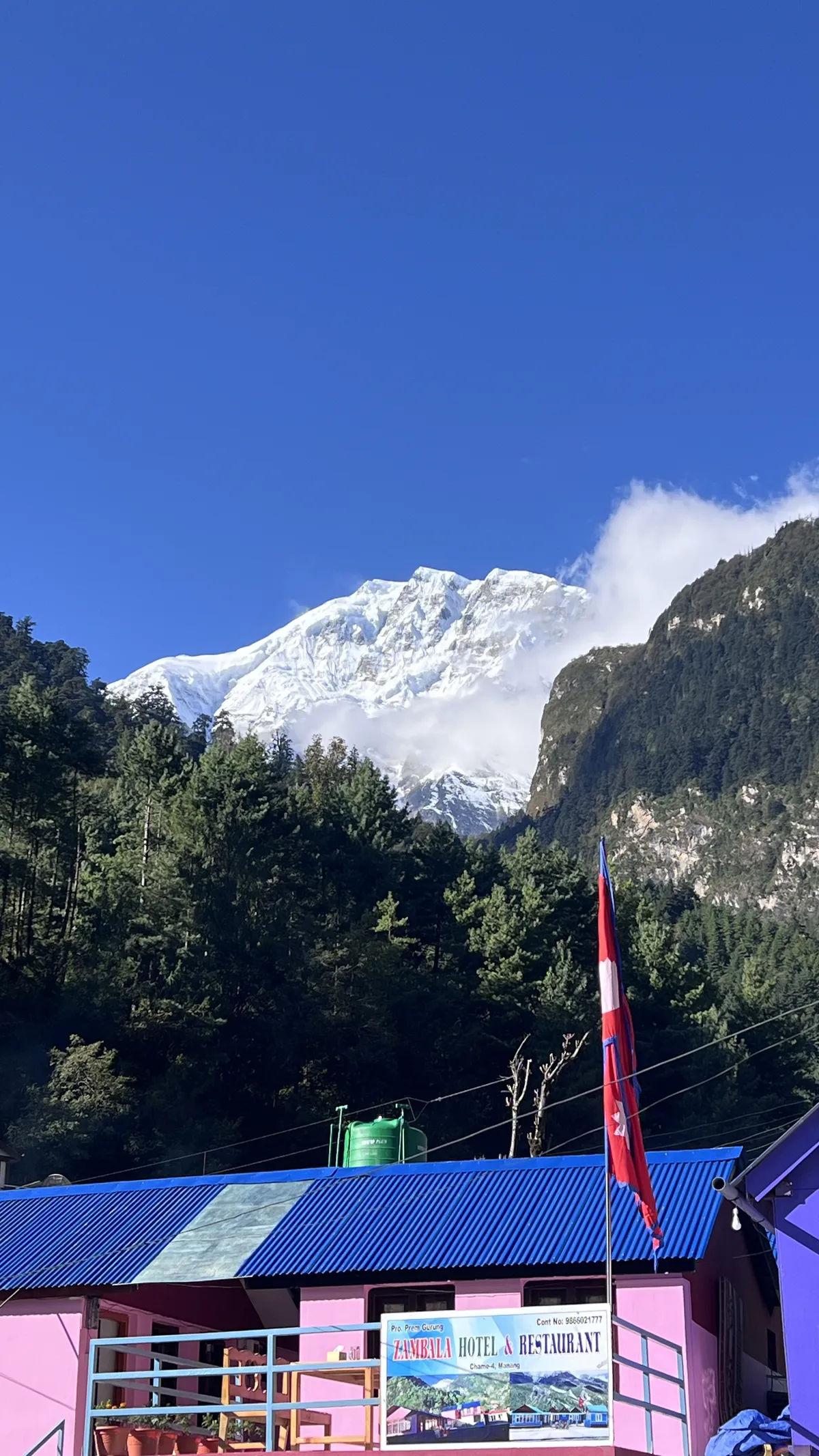
A regular teahouse will have lodging, internet and warm food
It is gorgeous. The nature is mind-blowing, and no matter where you are, you have dozens of hiking options after your workday ends.
The cost of living in Nepal is absurdly low. In many places, teahouses provide free accommodation as long as you order food. Prices per night range from USD 5 to USD 50. A full three-course meal costs between USD 5 and USD 15. For digital nomads used to paying $2,000/month for a studio in Lisbon or Bangkok, Nepal feels like a different economic universe.
The internet in Nepal is better than you think. Even remote teahouses offer Wi-Fi, and Nepal Telecom's 5G was available in most places except the deeper valleys. It was fast enough to browse Instagram and upload stories. More importantly, the Wi-Fi speed in Nepal is sufficient to check your Jira board, join Zoom calls, answer Slack messages, and keep working remotely from the Himalayas.
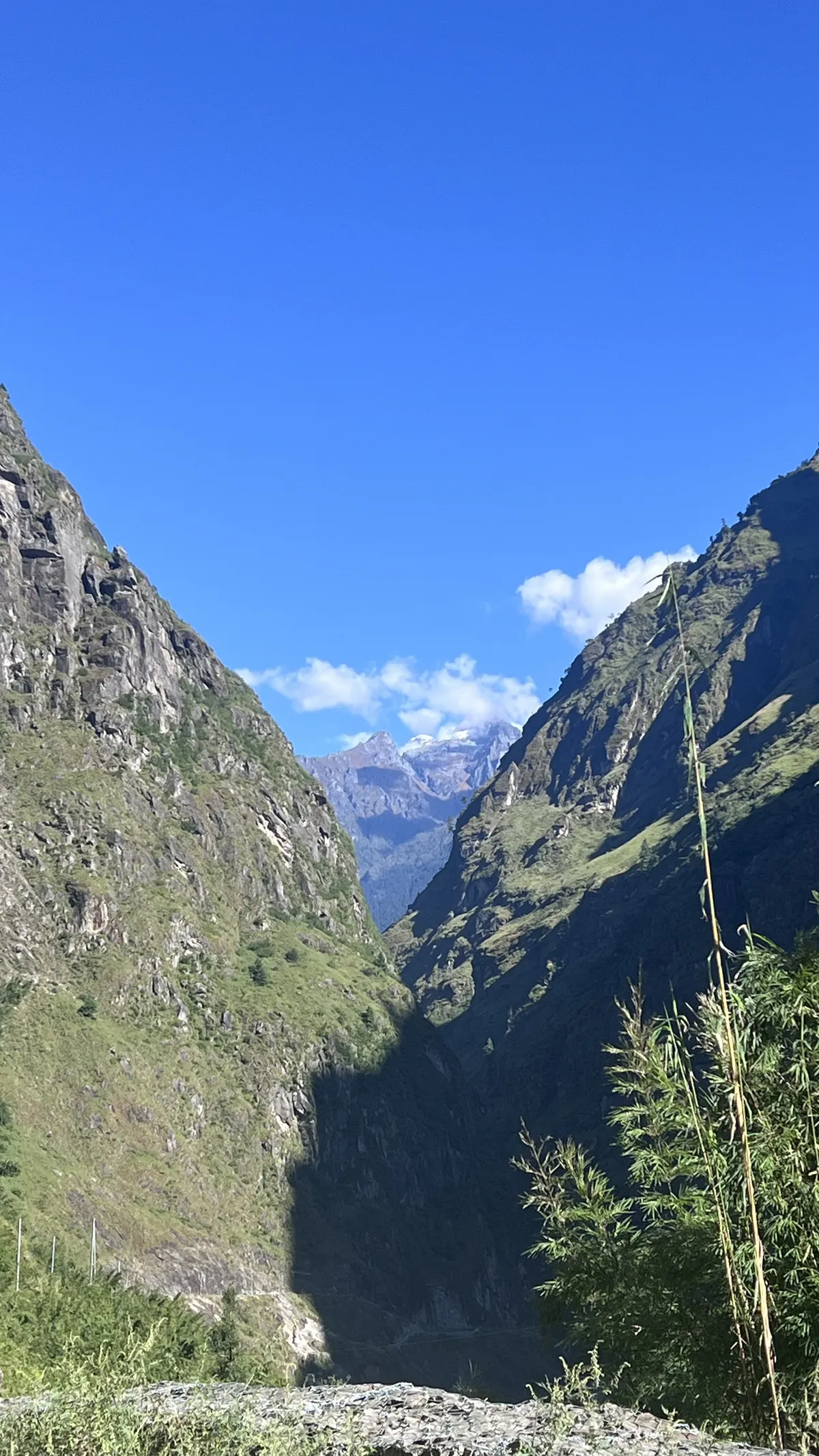
It is serene. And that matters more than coworking spaces or fast coffee shops. One of the biggest problems with popular digital nomad destinations is exactly that: they are too popular. You end up competing for housing, dealing with noise, and trying to take your daily stand-up call while someone nearby is throwing a party. In the Himalayas, there is none of that. Nepal offers something no coworking space in Canggu ever will: complete, undisturbed focus.
Would You Be Brave Enough?
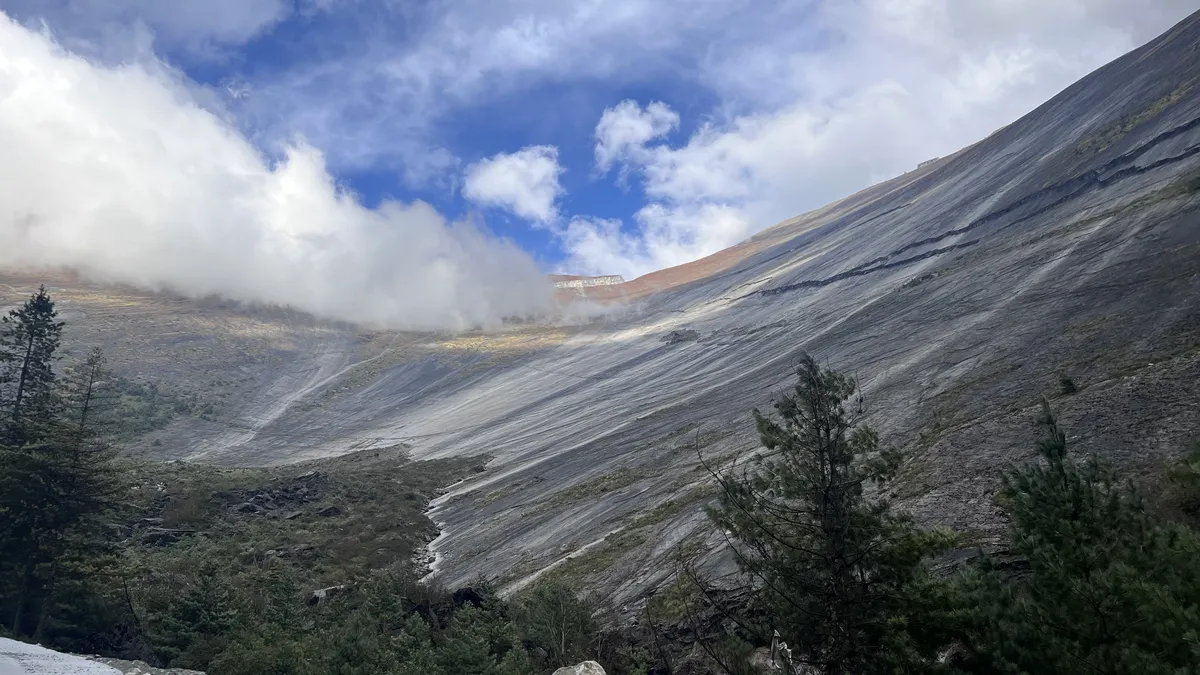
The basin of an ancient lake / sea. Around Chame, Manang
So here is the question: would you ever be brave enough to try remote work in Nepal?
Nepal does not yet have a dedicated digital nomad visa — you will enter on a standard tourist visa, which is straightforward and available on arrival. That alone puts it ahead of many countries that make visa processes a nightmare for location-independent workers.
If you do decide to go, Nomad Atlas will do its best to give you smart recommendations, help you make better travel decisions, and warn you about severe weather before it becomes your problem.
Read the other side of the story: Beautiful, Brutal, Honest — The Other Side of Nepal